Key to the electrical performance of inorganic powder: How to choose high-purity talc powder/magnesium hydroxide?
What is electrical performance?
Electrical performance, in a broad sense, refers to various electrical characteristics exhibited by materials under the influence of an applied electric field. For powder materials (especially inorganic insulating powders), the following core indicators are usually of concern:
Volume resistivity: An indicator that measures a material's ability to resist the flow of current through its interior. The higher the resistivity, the better the insulation. The unit is typically Ω·cm.
Surface resistivity: It is an indicator that measures a material's ability to resist the flow of current along its surface. Similarly, the higher the resistivity, the stronger the surface's ability to prevent leakage current.
Dielectric constant: An indicator that measures a material's ability to store electrical energy in an electric field. In insulating applications, it is generally desirable for the dielectric constant to be stable and low (especially in high-frequency applications) to reduce signal delay and energy loss.
Dielectric loss: Under the influence of an electric field, the property of a material converting part of the electrical energy into heat energy and thus losing it. The lower the loss, the better the insulation and signal fidelity effects.
Breakdown voltage/field strength: The critical voltage or electric field intensity at which a material is electrically broken down (loses its insulating property). The higher it is, the better the high-voltage resistance performance.
For inorganic fillers such as talc powder and magnesium hydroxide, in the application of polymer composites, the most crucial and frequently discussed electrical property is the volume resistivity, which indicates the insulating performance.
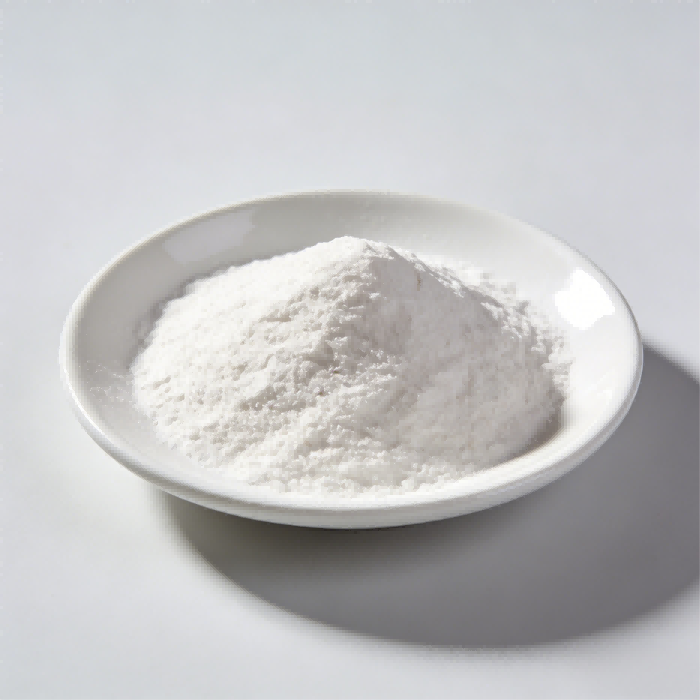
2. What do they represent in inorganic powder materials (talc powder, magnesium hydroxide)?
When talc powder or magnesium hydroxide is added to polymers (such as plastics, rubber), their electrical properties mainly represent two aspects of meaning:
A. "Intrinsic Properties" as Insulating Fillers
Both of them are excellent insulators in their own right.
Talc powder: With the chemical formula Mg₃Si₄O₁₀(OH)₂, talc powder is a layered silicate mineral. Its structure is stable, and ion migration is difficult. Talc powder has an extremely high volume resistivity (typically in the 1013−1016 Ω·cm order of magnitude), making it a natural high-quality insulating material.
Magnesium hydroxide: Its chemical formula is Mg(OH)₂. Similarly, its crystal structure is dense, its ionic conductivity is poor, and it also has a very high volume resistivity (typically in the 1014−1016 Ω·cm order of magnitude).
When talc powder and Magnesium hydroxide evenly dispersed in the polymer matrix, they can maintain their high insulation, thereby maintaining or enhancing the overall insulation performance of the composite material. This makes talc powder and Magnesium hydroxide widely used in fields requiring electrical insulation, such as wire and cable sheaths and electrical and electronic component casings.