Application and Specification Requirements of Magnesium Oxide in Plastic Masterbatches
1.Main Functions of Magnesium Oxide in Plastic Masterbatches
1.1 Reinforcement and Filling Function
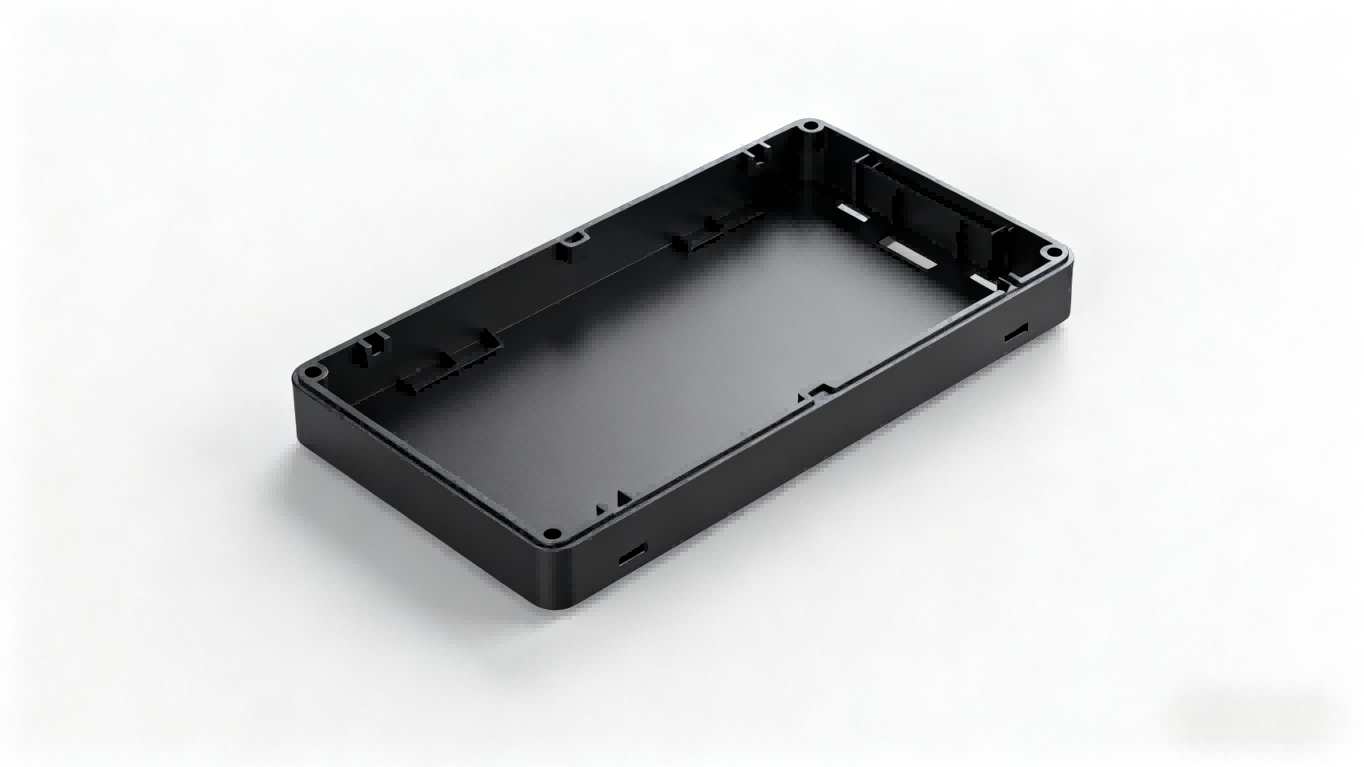
As a filler in plastic masterbatches, magnesium oxide effectively enhances the mechanical properties of plastic products. Its high hardness and strength form a uniformly dispersed reinforcing structure within the plastic matrix, significantly improving the overall rigidity of the material. For example, when used in housings for high-end electronic products, magnesium oxide-reinforced plastic allows for lightweight designs while substantially increasing impact and scratch resistance, providing reliable protection for internal components.
1.2 Thermal Stability and Flame Retardancy
Magnesium oxide improves the thermal stability of plastic masterbatches, delaying aging and deformation under high-temperature conditions. In applications such as electronic and electrical device housings, it helps maintain structural stability and prevents deformation caused by prolonged heat exposure. Additionally, magnesium oxide offers flame-retardant properties by contributing to the formation of an insulating layer during combustion, thereby suppressing flame spread and enhancing fire safety.
1.3 Improvement of Processing Performance
During processing, the good dispersibility of magnesium oxide helps reduce the viscosity of the plastic melt and improves its flowability. This enhances the filling efficiency in injection molding or extrusion processes, reduces energy consumption and surface defects, and leads to higher production efficiency and more uniform, smoother plastic products.
2. Key Specifications for Magnesium Oxide in Plastic Masterbatches
2.1 Purity Requirements
The purity of magnesium oxide is generally required to be above 97%, with high-end applications demanding up to 99%. High purity ensures chemical stability, prevents discoloration, degradation, or performance loss due to impurities, and guarantees consistent product quality.
2.2 Particle Size and Distribution
The particle size of magnesium oxide is typically controlled at the nano- to micron-scale and must be uniformly distributed. Fine and uniform particle size increases the contact area with the plastic matrix, strengthens interfacial bonding, avoids agglomeration, and enables more effective performance enhancement.
2.3 Oil Absorption Value
An appropriate oil absorption value is crucial for both processing and final product performance. Excessively high oil absorption increases system viscosity and affects processability, while excessively low values may reduce compatibility with the plastic. For instance, surface-treated magnesium oxide can stabilize the oil absorption value at 40–50 ml/100g, balancing compatibility and processability.
2.4 Dispersibility and Flowability
Good dispersibility ensures uniform distribution of magnesium oxidein the plastic, allowing it to fully perform its functions. Excellent flowability facilitates rapid dispersion during processing and improves production efficiency. Magnesium oxide treated with advanced processes has been shown to increase material transport efficiency in production while ensuring uniform, agglomeration-free products.
3. Conclusion
As the plastic masterbatch industry continues to evolve, the application of magnesium oxide is becoming more widespread, with increasingly stringent requirements for its performance and quality. Through continuous technological R&D and strict quality control, Liaoning Victory Fire-Retardant Material Technology Co., Ltd. provides magnesium oxide products with excellent dispersibility, stable performance, and good processing adaptability, helping plastic products achieve higher performance standards.