Antimony Trioxide: The Classic Synergist for Highly Effective Flame Retardancy
In the field of flame retardancy for synthetic materials such as plastics, rubber, and textiles, antimony trioxide (Sb₂O₃) is a ubiquitous and crucial name. While not a highly effective flame retardant on its own, its exceptional synergistic properties have made its combination with halogenated flame retardants one of the most widely used and efficient flame retardant systems, often regarded as the "classic duo" in the industry.
I. Fundamental Properties
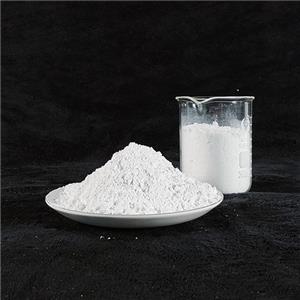
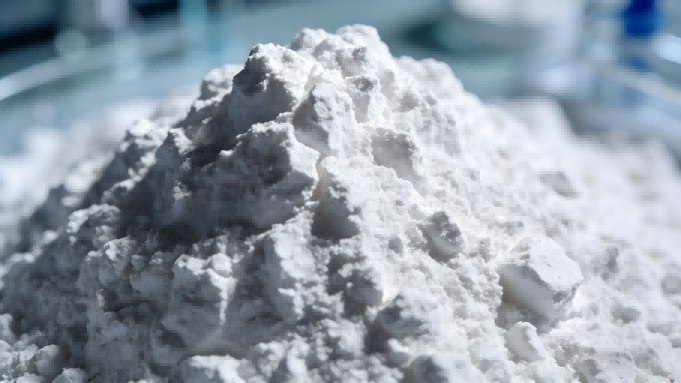
Antimony trioxide is a fine white powder with the following key characteristics:
High Chemical Stability: Antimony trioxide remains stable under normal temperatures and pressures.
Relatively Low Toxicity: Antimony trioxide exhibits low toxicity when incorporated into finished products, but its dust can irritate the respiratory system, requiring protective measures during handling and processing.
High Refractive Index: This provides good covering power and whiteness to products but can also cause lightening of color or opacity.
Excellent Synergism: This is its core value. Its flame retardant efficiency increases exponentially when used in combination with halogen (chlorine, bromine) compounds.
II. Flame Retardant Mechanism: The Classic "Synergistic Effect"
The flame retardant action of antimony trioxide must be combined with halogenated flame retardants (e.g., decabromodiphenyl ether, hexabromocyclododecane, chlorinated paraffins) to reach full potential. The mechanism involves a complex physico-chemical process, primarily in the following stages:
1.Thermal Decomposition and Reaction:
When the material burns and is exposed to heat, the halogenated flame retardant decomposes first, releasing hydrogen halide (HX) gas.
Antimony trioxide reacts with the hydrogen halide to form volatile antimony trihalide (SbX₃) and antimony oxyhalide (SbOX).
Key Reaction: Sb₂O₃ + 6HX → 2SbX₃ + 3H₂O
2.Gas-Phase Flame Retardancy (Primary Action):
The generated antimony trihalide (SbCl₃ or SbBr₃) is dense and has a high vapor pressure, effectively diluting the concentration of oxygen and flammable gases in the flame zone.
More importantly, these antimony halides can capture the highly reactive free radicals (H· and HO·) that sustain the combustion chain reaction in the gas phase, converting them into less reactive halogen radicals, thereby drastically slowing or interrupting the combustion process.
Representative Reactions: SbX₃ + H· → HX + SbX₂·, SbX₃ + HO· → HOX + SbX₂·. The resulting species like SbX₂· can continue to scavenge radicals.
3.Condensed-Phase Action and Thermal Barrier:
The intermediate antimony oxyhalide (SbOX) promotes char formation on the material's surface, creating a dense, insulating carbonaceous layer.
This char layer acts as a barrier, preventing heat and oxygen from reaching the underlying material, protecting it from further decomposition, and reducing the generation of flammable volatiles.
In summary, the synergy between antimony trioxide and halogens essentially involves a chemical reaction that efficiently transforms the hydrogen halide (HX) "feedstock" from halogenated retardants into a highly effective gas-phase radical scavenger (SbX₃), while simultaneously promoting char formation in the condensed phase. This results in highly effective dual-phase flame retardancy.