Overview of the Inorganic Flame Retardant Family
Members of the Inorganic Flame Retardant Family:
1. Aluminum Hydroxide (ATH) – The Most Used Inorganic Flame Retardant
It accounts for over 80% of global inorganic flame retardant consumption. It functions by endothermic dehydration (releasing water vapor) and oxygen dilution.
2. Magnesium Hydroxide (MH) – A "Tough Guy" for High-Temperature Processing
Its decomposition temperature is as high as 340~490℃, about 140℃ higher than ATH, making it suitable for engineering plastics with high processing temperatures.
3. Red Phosphorus (RP) – The "Aggressive" One with the Highest Phosphorus Content
Red phosphorus is the only flame retardant used in elemental form. With a phosphorus content exceeding 70%, even a small amount can retard oxygen-containing polymers (such as nylon and PBT). However, it easily absorbs moisture and releases highly toxic pH₃, requiring microencapsulation.
4. Ammonium Polyphosphate (APP) – The "Soul" of Intumescent Flame Retardant Systems
APP is the core acid source of intumescent flame retardants. It decomposes upon heating to generate polyphosphoric acid, promoting polymer charring. Based on degree of polymerization, it is classified into Type I and Type II, with Type II exhibiting better thermal stability (>300℃).
5. Antimony trioxide (Sb₂O₃) – The "golden partner" of halogenated flame retardants.
While its flame retardant effect is generally average on its own, when combined with halogenated flame retardants, it can form antimony trihalides, which capture free radicals and isolate oxygen in the gas phase—the well-known "halogen-antimony synergistic effect."
6. Zinc borate – A multi-functional "all-rounder."
It can be used alone or as a partial replacement for antimony oxide. It can suppress smoke, promote char formation, and inhibit dripping; its effect is even better when combined with aluminum hydroxide or red phosphorus.
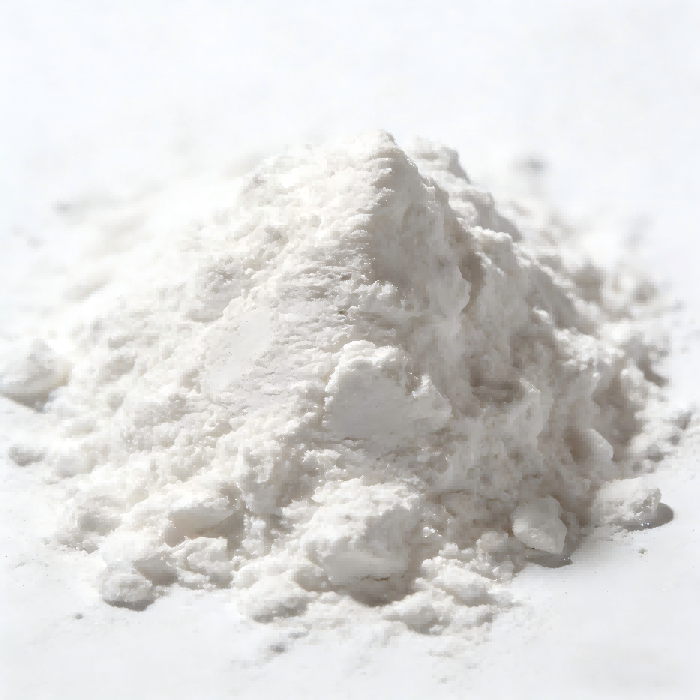
7. Hydrotalcite (LDH) – A "rising star" of layered structures.
A layered bimetallic hydroxide, when heated, the layers decompose endothermically, releasing water and CO₂, while the residual metal oxides catalyze char formation. It often works synergistically with intumescent flame retardant systems.
8. Montmorillonite (MMT) – A Nanoscale “Physical Barrier”: Organically modified montmorillonite (OMMT) can form exfoliated structures in polymers, migrating to the surface during combustion to form a dense protective layer, delaying heat and mass transfer.
9. Expandable Graphite (EG) – A “Magic Worm” that Expands Upon Heat: When heated, the intercalations between graphite layers decompose, causing the graphite to rapidly expand tens to hundreds of times, forming a worm-like char layer that provides heat and oxygen insulation.
10. Attapulgite – A One-Dimensional Nanoscale “Skeleton”: Possessing a fibrous crystalline structure, it can act as a flame retardant synergist, enhancing char layer strength.
11. Nano-Calcium Carbonate – A Low-Cost “Filler Expert”: It can be used as a filler in polyolefins, while also promoting char formation and reducing the rate of heat release during combustion.
12. Aluminum Hypophosphite (AHP) – A “Potential Star” Among Inorganic Salts: High in phosphorus, its flame retardant efficiency is superior to that of general inorganic salts, making it suitable for PBT, nylon, etc. However, its thermal stability is slightly poor, so care must be taken during processing.
13. Melamine polyphosphate (MPP) – A high-temperature resistant "nitrogen and phosphorus duo"
Compared to melamine phosphate (MP), MPP has a higher thermal decomposition temperature (>310℃), making it suitable for flame retardant applications of glass fiber reinforced nylon.